
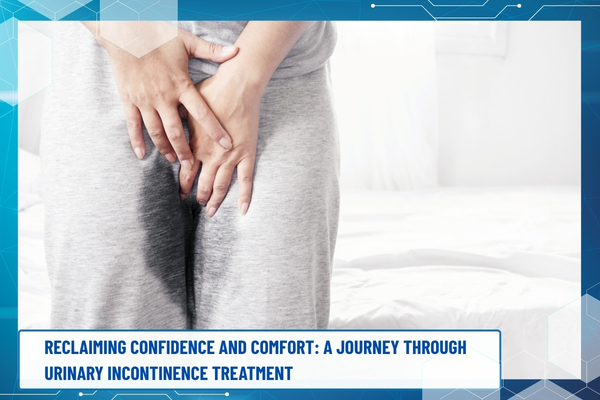
Introduction: When a Silent Condition Began Controlling Everyday Life
At 56, Mrs. Madhabi Sen was an active and independent woman who enjoyed spending time with her family, attending social gatherings, and maintaining a busy routine.
However, over time, she began experiencing unexpected urine leakage while coughing, laughing, or even walking for long periods. Initially, she dismissed the issue as a normal part of aging and tried to manage it quietly.
But as the symptoms worsened, she became increasingly anxious about leaving home, traveling, or participating in social events. The constant fear of embarrassment deeply affected her confidence and emotional well-being.
Understanding Urinary Incontinence (UI)
Eventually, Madhabi sought medical help and consulted Dr Kaushik Sarkar, a Consultant Urologist & Uro-Oncologist experienced in managing complex urinary disorders and pelvic health conditions.
After a detailed evaluation and diagnostic assessment, Dr. Sarkar diagnosed her with Urinary Incontinence.
What is Urinary Incontinence?
Urinary Incontinence is the involuntary leakage of urine caused by weakened bladder control, pelvic floor dysfunction, nerve-related conditions, or urinary tract problems.
It is a common but treatable condition affecting both women and men, especially with aging, childbirth, surgery, or certain medical conditions.
Common symptoms of urinary incontinence include:
- Urine leakage during coughing or sneezing
- Sudden strong urge to urinate
- Frequent urination
- Difficulty controlling bladder function
- Night-time urination
- Emotional discomfort and social embarrassment
Many patients suffer silently without realizing that effective treatment options are available.
Emotional and Physical Challenges of Living with UI
For Madhabi, urinary incontinence affected much more than her physical health.
She struggled with:
- Fear of public embarrassment
- Social withdrawal and isolation
- Emotional stress and anxiety
- Disturbed sleep and fatigue
- Loss of confidence and independence
Like many patients with urinary problems, she felt hesitant to discuss the condition openly and delayed treatment for years.
Expert Urological Care from Dr Kaushik Sarkar
During consultation, Dr Kaushik Sarkar carefully explained the causes of urinary incontinence, available treatment options, and recovery possibilities in a supportive and reassuring manner.
His compassionate approach helped Madhabi feel comfortable discussing her symptoms openly for the first time. She realized that urinary incontinence is a medical condition — not something to feel ashamed about.
The Treatment Journey: Personalized Bladder Care and Recovery
Dr. Sarkar designed a personalized treatment plan focused on restoring bladder control, improving comfort, and rebuilding confidence.
The treatment approach included:
- Comprehensive bladder and urinary evaluation
- Lifestyle and fluid management guidance
- Pelvic floor strengthening exercises
- Medication and bladder training therapy
- Minimally invasive treatment options where required
- Long-term follow-up and supportive care
The goal was not only symptom relief but also improving emotional well-being and quality of life.
Why Early Treatment for Urinary Incontinence Matters
Many patients ignore bladder control problems due to embarrassment or lack of awareness. However, timely treatment can significantly improve recovery outcomes.
Early intervention helps:
- Improve bladder control and comfort
- Prevent worsening symptoms
- Reduce emotional stress and social anxiety
- Improve sleep quality and confidence
- Enhance overall quality of life
Modern urology now offers highly effective and minimally invasive solutions for urinary incontinence management.
Recovery Journey: Regaining Confidence and Freedom
Madhabi’s recovery process required consistency, emotional support, and regular follow-up care.
Key milestones during recovery included:
- Significant reduction in urine leakage episodes
- Improved bladder control and comfort
- Better sleep and daily confidence
- Return to social activities without fear
- Improved emotional well-being and independence
With proper treatment and lifestyle adjustments, she gradually regained control over both her health and her life.
Final Outcome: Living Life with Confidence Again
Today, Madhabi Sen is enjoying a more active, comfortable, and confident lifestyle after successful urinary incontinence treatment.
She can now travel, attend family events, and enjoy daily life without constant anxiety or fear of embarrassment. Her journey reflects how timely urological care, advanced treatment options, and emotional support can dramatically improve quality of life.
Frequently Asked Questions (FAQ): Urinary Incontinence
What is urinary incontinence?
Urinary Incontinence is the involuntary leakage of urine caused by loss of bladder control.
Is urinary incontinence common?
Yes. It commonly affects both women and men, especially with aging, childbirth, surgery, or certain health conditions.
Can urinary incontinence be treated successfully?
Yes. Many patients improve significantly with medications, pelvic floor therapy, bladder training, and minimally invasive procedures.
When should I consult a urologist?
You should seek medical evaluation if bladder leakage, urgency, or urinary problems begin affecting your daily activities or confidence.
Is surgery always necessary for urinary incontinence?
No. Many patients improve with non-surgical treatment options depending on the severity and type of incontinence.
Conclusion: Advanced Urology Care Can Restore Comfort and Confidence
Urinary incontinence can deeply affect physical comfort, emotional health, and social confidence, but modern urology now offers highly effective solutions capable of restoring bladder control and quality of life.
Under the expert supervision of Dr Kaushik Sarkar, patients receive compassionate and personalized care focused on symptom relief, confidence restoration, and long-term bladder health.
Madhabi’s story is a powerful reminder that urinary incontinence is treatable, and seeking timely medical care can help patients regain freedom, dignity, and confidence in everyday life.